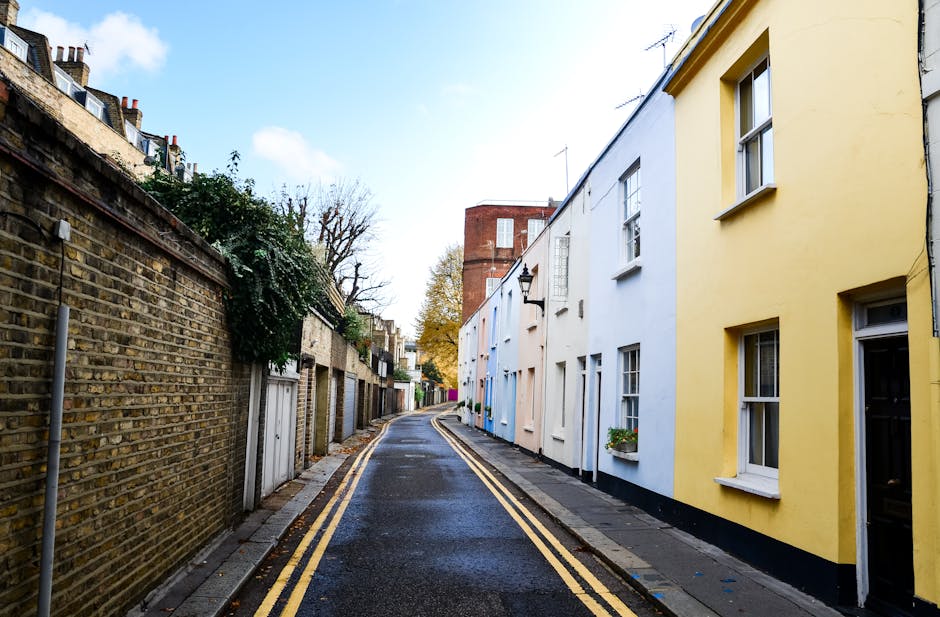
Brompton Road Removals access tips for narrow streets
Posted on 07/05/2026
If you are planning a move around Brompton Road, you already know the problem: it is rarely the packing that causes stress first, it is the access. Tight corners, parked cars, busy pavements, basement steps, loading restrictions, and the simple reality that a full-size van can feel too big for the street all combine to make a straightforward move a bit more complicated than it should be. That is exactly why Brompton Road removals access tips for narrow streets matter. A good plan saves time, protects your belongings, and helps everyone stay calm when the road gets busy and the clocks starts ticking.
This guide is written for people moving flats, townhouses, offices, or individual items in and around Brompton Road and the wider Knightsbridge area. It covers how access planning works, what to check before moving day, where the real risks lie, and how to make practical decisions without overcomplicating things. You will also find a checklist, a comparison table, and a realistic step-by-step approach that helps in the real world, not just on paper.
For a broader view of the services available locally, you may also find our services overview helpful, especially if you are comparing flat, house, or specialist item moves in Knightsbridge.
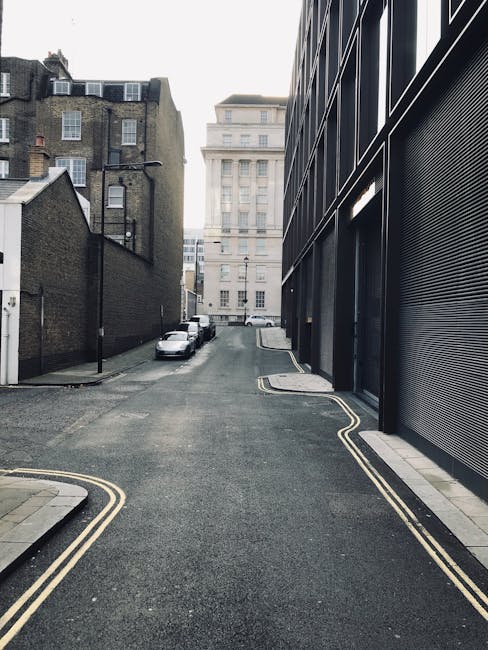
Why Brompton Road removals access tips for narrow streets matter
Brompton Road sits in an area where premium housing, busy traffic, and compact streets often meet. That combination creates a very specific removals challenge. You may have a valuable sofa that simply cannot swing round a tight staircase. You may have a van that can park briefly, but not in the spot you hoped. Or you may be moving from a mansion flat where the lift is small, the corridor is narrow, and the nearest legal stopping point is not exactly close. These are not unusual problems. They are the everyday realities of moving in central London.
What matters most is not just fitting a van into the street. It is fitting the whole move together: vehicle access, loading time, route planning, property layout, and the timing of neighbours, traffic flow, and building rules. If one part is ignored, the whole job can slow down very quickly. To be fair, this is where many moves go from manageable to awkward.
Access planning also affects cost. A move that needs more carrying distance, more labour, or an additional shuttle vehicle can take longer. That does not always mean it becomes expensive in a dramatic way, but it does mean the quote should reflect the real conditions on the day. If you are comparing providers, looking at man and van services in Knightsbridge and checking the rates can help you understand how access and job size affect pricing.
Key point: On narrow streets, removals success is usually decided before the van arrives. The best moves are the ones where access, packing, and timing have all been thought through in advance.
How Brompton Road removals access tips for narrow streets works
Access planning is a simple idea, but it needs a careful eye. Start by looking at the road itself. Is there space for a van to stop safely? Are there bay restrictions, yellow lines, or resident permit limits? Can the van sit close enough to the entrance that the carry remains practical? If the answer is no, the move may still work, but the load-in method changes.
The next step is to assess the building. A move from a ground-floor flat is one thing; a top-floor apartment with a shared stairwell and a tiny lift is another. In some Brompton Road properties, the route from door to vehicle is short but awkward. In others, the route is longer but easier because of better parking or a wider frontage. The best removal plan takes the complete journey into account, not just the postcode.
Then comes the vehicle choice. A smaller van can often be the smarter option in a narrow London street, especially where turning space is limited. In some cases, a larger van may be fine if the street allows easy stopping and the load is mostly furniture. In other cases, a more flexible removal van in Knightsbridge or a tailored man with a van service can make the difference between a smooth move and a stressful one.
One useful detail people sometimes miss: access planning is not only about the biggest item. It is about the awkward item. A chest of drawers that has to tilt, a mirror that needs a careful carry, or a piano that cannot be angled through a tight landing can create more delay than half a room of boxes. That is why specialist services matter too, including furniture removals and, where needed, piano removals in Knightsbridge.
Key benefits and practical advantages
Good access planning gives you more than just convenience. It creates a move that is safer, quicker, and far less likely to go off-script. The most obvious benefit is reduced damage risk. Less squeezing through gaps means fewer scuffs to walls, fewer knocks to furniture, and less chance of strained lifting. That matters even more in period buildings where stairwells and entrances can be tight and delicate.
You also gain time control. Narrow streets can swallow minutes without warning. A van parked a little too far away may not sound like a major issue, but when there are ten heavy items, those extra metres add up. Planning for the short carry, or the long carry if that is the reality, keeps the day moving.
Another real benefit is smoother communication. Everyone knows their role, from the person managing keys to the person waiting at the door. That may sound obvious, but a move in central London can easily become a chain of small uncertainties. Good access notes remove a lot of that friction.
- Less risk of damage to property and belongings
- Better use of labour time and moving budget
- Fewer delays from parking or turning issues
- Safer lifting and easier handling for the team
- More predictable arrival and completion times
If you are moving a flat or apartment, the benefit is even clearer. Our flat removals in Knightsbridge service is designed with tighter building access in mind, which is often exactly what Brompton Road properties need.
Who this is for and when it makes sense
These access tips are useful for anyone moving in or around Brompton Road, but they are especially relevant if you are dealing with compact streets, shared entrances, basement flats, or limited parking. If your property is in a block with a lift that is just a bit too small for larger items, you are in the right place. If your office move needs a timed arrival and a neat handover without blocking the road, this matters too.
It also makes sense if you are moving in a hurry. Same-day arrangements can work, but they leave less room for error, so access notes become even more important. The same applies if you are coordinating a move with estate agents, building management, or a concierge who has specific instructions about timing or entry points. In Knightsbridge, that sort of coordination is common enough. Not glamorous, maybe, but very real.
People often ask whether a move needs a specialist remover or whether a general courier will do. The answer depends on access, item size, and risk. If the route is simple, a standard service may be enough. If the street is tight, the property has obstacles, or the inventory includes fragile or bulky items, a more experienced team is usually the safer choice. You can compare local support through removal companies in Knightsbridge and removals services in Knightsbridge.
Step-by-step guidance
Here is a practical way to approach a Brompton Road move without overthinking it. Keep it simple, but do not skip the checks.
- Measure the access points. Check door widths, corridor bends, stair landings, lift size, and the widest item you need to move. If the object is large, measure diagonally as well. That small detail helps more than people expect.
- Assess the street outside. Look for loading spaces, parking restrictions, double yellow lines, and any place where a van might safely stop. If possible, view the street at the same time of day as your move. Morning and afternoon access can feel very different.
- Identify the likely carry distance. A few extra metres may be fine for small boxes, but heavier furniture changes the picture. Long carries also need more labour and more time.
- Group the belongings by difficulty. Put the bulky, fragile, and awkward items first in your mind, not last. A move is usually shaped by the hardest objects, not the easiest ones.
- Choose the right vehicle. A smaller van can be easier on a narrow street. If the street is especially tight, ask about a flexible approach rather than assuming the biggest van is best.
- Plan the loading sequence. The biggest items should be ready first, then boxes by room or zone. If a lift is involved, keep floor protection and clear access in mind.
- Confirm building rules. Some properties need advance notice, lift booking, or protective coverings. Ask early. A last-minute "oh yes, you need to book the lift" can derail a good plan pretty quickly.
- Share access notes clearly. Send photos, entrance details, and any restrictions. A short video walkthrough can be surprisingly helpful.
- Have a backup plan. If the road is blocked, can the van stop a little further away? If not, can the job still be completed safely with an adjusted carry route?
- Recheck the essentials before the van arrives. Keys, parking details, contact numbers, and item lists should all be ready. That final check saves a lot of needless wandering around with clipboards and sighs.
Where packing is still underway, consider using proper materials rather than improvising. Our packing and boxes guidance can help you reduce damage and make carrying simpler.
Expert tips for better results
One of the best things you can do is think like the person who has to physically move the items. If a corner looks tight to you, it will almost certainly feel tighter when carrying a wardrobe. A safe route is one where two people can move without twisting, rushing, or leaning heavily into the load.
Use photos generously. A few clear images of the entrance, stairwell, kerb, and largest item can answer questions before they become problems. Truth be told, photographs are often better than long explanations because they reduce the "I thought it was wider" problem.
Try to keep the route clear before the van arrives. Shoes, bins, bicycles, parcel boxes, and random hallway clutter all slow things down. In one move, a simple pair of folded chairs left in a hallway caused more delay than the sofa. Slightly annoying, but very fixable.
It also helps to think about weather. A light drizzle in London is hardly dramatic, but it can make pavements slick and cardboard less reliable if boxes are left outside. If rain is likely, protect boxes and floor surfaces and move with a little extra care.
For more complex jobs, especially if you are coordinating multiple rooms or a whole property, a structured move plan is worth the effort. Local move planning support is often bundled into removal services in Knightsbridge and broader Knightsbridge SW1 removal services, which can be useful if you want one team to handle the practical details.
And a small but important tip: never assume a "small" item is easy just because it is light. Lamps, mirrors, artwork, and glass tables can be awkward in narrow hallways. Light does not always mean simple. Not even close.

Common mistakes to avoid
The most common mistake is underestimating the street itself. People often focus on the property interior and forget the outside world. Then they discover the van cannot sit where they expected, or the route from vehicle to door is longer than they imagined. That is when the clock starts to feel expensive.
Another classic error is not checking item dimensions properly. "It should fit" is not a measurement. It is a hope. And hopes are lovely, but not very useful when a sofa is halfway through a stair bend.
Here are the main pitfalls worth avoiding:
- Booking a vehicle that is too large for the road
- Ignoring loading restrictions or waiting too long to check them
- Forgetting about lifts, stair turns, and basement steps
- Leaving bulky furniture assembled when it should have been dismantled
- Not telling the removal team about fragile or high-value items
- Assuming the shortest route is always the easiest route
- Failing to prepare a clear plan for parking or access permissions
A quieter mistake is poor communication. If the concierge knows one thing, the building manager another, and you a third version, confusion can creep in. Keep one clean access note and share it with everyone who needs it.
Tools, resources and recommendations
You do not need a complicated toolkit, but a few practical things help a lot. A measuring tape is the obvious one. A phone camera is just as important. It lets you record door widths, stair landings, street frontage, and any awkward turns. If you can, take one photo from inside the doorway looking out and one from the street looking in. Those two angles tell a useful story.
Furniture blankets, straps, trolleys, floor protectors, and strong cartons all play their part. In narrow streets and narrow staircases, good handling equipment is not a luxury; it is just sensible. If your move includes specialist items or delicate furnishings, ask whether protective materials are included and whether they suit the property type.
For some customers, storage can make access easier too. If the new property is not quite ready, or if the street is too tight for a single large delivery, short-term storage can reduce pressure on moving day. That can be especially handy during staged moves or renovations. Have a look at storage options in Knightsbridge if you need a more flexible timeline.
If you want a quick starting point for costs, the pricing and quotes page is useful. It helps you understand what information usually affects the quote and why access details matter so much.
Law, compliance, standards, or best practice
For removals in central London, the main compliance issues are usually practical rather than dramatic. Parking rules, loading restrictions, building access instructions, and safety procedures all need attention. Exact restrictions vary by street and time, so they should always be checked in advance rather than guessed. If a road has specific local controls, a removal team should work within those rules, not around them.
Safe manual handling is also a major best-practice issue. Heavy lifting in narrow spaces increases the risk of injury if the route is rushed or poorly planned. Good teams use sensible lifting methods, proper equipment, and enough people for the load. That sounds basic, but basic is exactly what prevents avoidable problems.
Insurance is another area worth checking. You want to know how goods are covered, what exclusions apply, and what happens if access conditions change on the day. That is not being fussy; it is simply sensible. You can read more about this on the insurance and safety page, which gives a better sense of how risk is managed.
If you are comparing providers, it also helps to review their policies and service terms so you know what to expect around delays, cancellations, or access changes. That kind of clarity saves a lot of back-and-forth later.
Options, methods, or comparison table
Not every move on Brompton Road needs the same approach. The best method depends on the property, the item mix, and the street itself. Here is a simple comparison to help you weigh up the most common options.
| Method | Best for | Strengths | Limitations |
|---|---|---|---|
| Small van with short carry | Compact flats, limited parking, lighter loads | Flexible, easier to position, often better for tight streets | May require multiple trips or careful packing discipline |
| Standard removal van | Mixed household moves with moderate access | Efficient for larger loads, often more economical per trip | Can be awkward if turning space is limited |
| Man and van with staged loading | Single-room moves, student moves, smaller local jobs | Good for tight access and quick jobs, less overkill | Not ideal for full-house moves with many bulky items |
| Specialist item handling | Pianos, artwork, antiques, oversized furniture | Lower risk, more control, better protection | Needs more planning and may take longer |
If your move is partly about flexibility rather than volume, the man with a van service is often a good fit. If the move is more substantial, a dedicated removal service may be the better call.
Case study or real-world example
Consider a typical Brompton Road scenario. A customer is moving from a third-floor flat into a nearby property a few streets away. The furniture list is not huge, but it includes a bed frame, dining table, two mirrors, several boxes of books, and a narrow hallway that bends at an awkward angle.
On paper, it looks like a quick job. In practice, the outside access is the main issue. The street is busy at the planned time, parking is tight, and the van cannot just sit wherever it likes. So the moving team plans a smaller vehicle, gives a clear arrival window, and asks for photos of the entrance and staircase. The bed frame is dismantled in advance, the mirrors are wrapped carefully, and the boxes are labelled by room.
On the day, the carry distance is a little longer than expected because a parked vehicle takes up part of the workable stopping area. Still, because the move was planned around that possibility, there is no panic. The team works steadily, the lift is not overused, and the furniture reaches the new property without drama. Nothing flashy. Just a well-run move.
That is usually what good access planning looks like: unremarkable in the best possible way. A bit of preparation, a bit of patience, and fewer surprises than you feared at 7:30 in the morning.
Practical checklist
Use this checklist a day or two before moving time. It is simple, but it catches most of the avoidable issues.
- Measure doors, stair turns, lifts, and the largest items
- Check parking, loading restrictions, and any timed access rules
- Confirm the van size is suitable for the street
- Tell the team about basement access, shared entrances, or concierge rules
- Disassemble furniture where needed
- Pack fragile items separately and label them clearly
- Keep hallways and doorways free of clutter
- Share photos of the property frontage and route
- Confirm building permissions, lift bookings, or key handover times
- Prepare contact numbers and keep them handy on the day
One extra tip: if you are moving from or into a managed building, ask for the access instructions in writing. It saves the "I'm sure someone said..." conversation later. Happens more than people think.
Conclusion
Brompton Road removals access tips for narrow streets come down to one simple truth: narrow access does not have to mean a difficult move, but it does demand more planning. Once you know the street, the building, the item sizes, and the likely carry distance, the rest becomes much easier to manage. That is the difference between a day full of guesswork and a day that feels controlled, even if it is busy.
The smartest approach is to choose the right vehicle, communicate clearly, prepare the property, and leave some room for the realities of central London. A good mover will help you adapt without fuss, and a good plan will keep the whole process calmer than you might expect.
If you are getting ready to move in Knightsbridge or nearby, it is worth speaking to a team that understands local access issues and can help you work out the most practical route. If you need support with planning, quotes, or service options, start with our contact page or explore the wider range of local moving help through removals in Knightsbridge.
Get a free quote today and see how much you can save.
Sometimes the smoothest move is the one where everyone prepared quietly, did the obvious things well, and let the street be the street.